







Search Results for: coffee beans of varying sizes
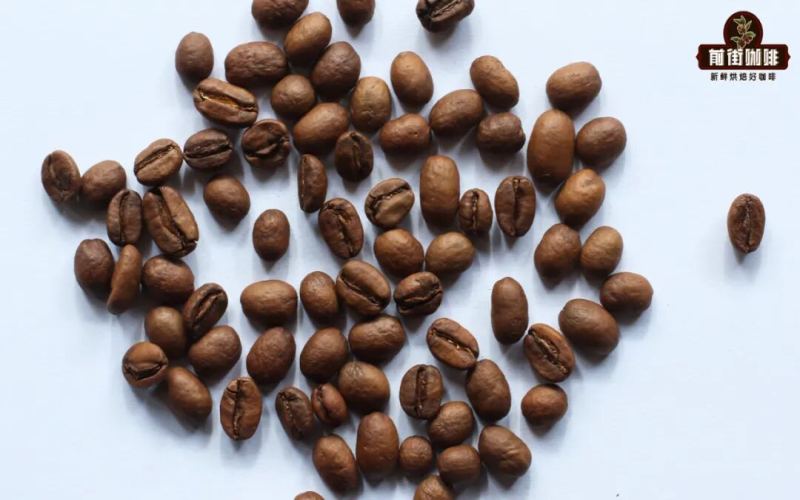
Ethiopian Coffee Beans | Why Do Ethiopian Coffee Beans Vary So Much in Appearance? What Coffee Variety Is the Ethiopian Heirloom Native Species?
"Boss, why are the beans in this bag so uneven in size? Every bean looks so unique..." This is the question customers ask our customer service most often after receiving Ethiopian coffee beans ordered from Front Street's Taobao store. From the picture, we can see that, just as our friends have reported, [more…]
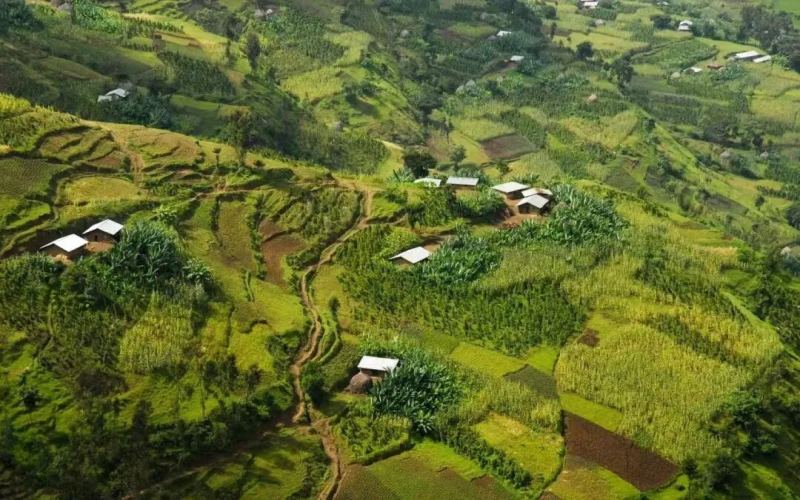
Ethiopian Heirloom | Why do Ethiopian coffee beans vary so much in appearance? What are the flavor characteristics of sun-dried Huakui and washed Gudingding?
“Boss, why are the beans in this bag so uneven in size? Every bean looks so distinctive...” This is the question customers ask our customer service most often after receiving Ethiopian coffee beans ordered from Front Street’s Taobao store. From the picture, we can see that, just as our friends reported, [more…]
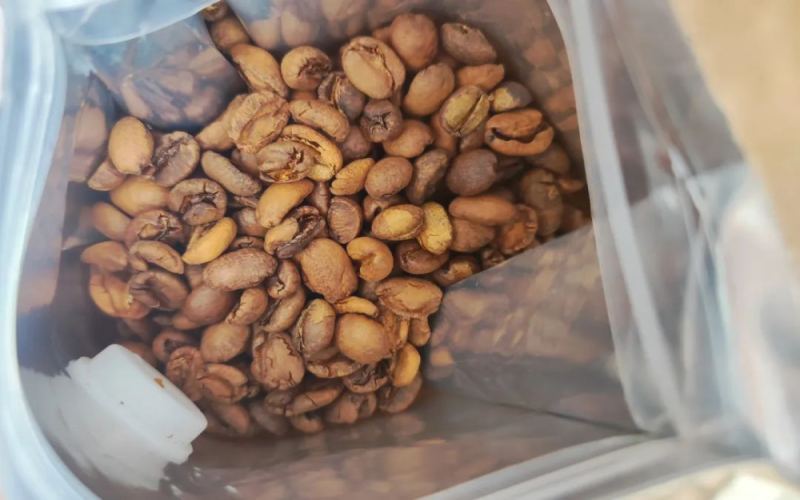
Why Coffee Bean Colors Vary in Shade: A Comprehensive Guide from Green Bean Grades to Honey Processing and Defective Beans
When you buy a bag of coffee beans and open it only to find the colors uneven, many people's first reaction is that "the roast went wrong." But coffee beans, being an agricultural product, can never be uniform bean for bean. This article explains, from the perspectives of green bean grading, honey processing, and anaerobic fermentation, the reasons why light-roasted coffee beans vary in shade, while also clarifying the difference between white-eye beans and normal beans, and pointing out several appearance traits often mistaken for defective beans. At the end, it uses examples from Front Street Coffee's Sherry and Warm Sun blends to illustrate how the roast level affects bean surface color and flavor performance. [more…]
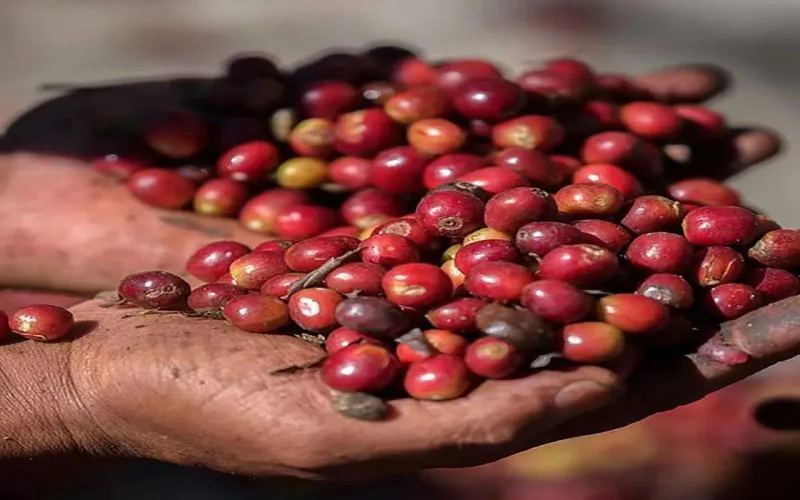
Why Are Ethiopian Coffee Beans So Uneven in Size? A Variety Analysis of the Sidamo Santaverry 74158
Ethiopia, as the birthplace of Arabica coffee, is known for beans with floral and citrus notes, but many enthusiasts notice that the coffee beans here often vary in size and shape. This is not a quality issue, but rather the result of the country's extraordinarily rich variety of coffee cultivars, diverse cultivation patterns, and a grading system that focuses on defect rate rather than bean size. This article will analyze the causes of differences in Ethiopian coffee bean morphology, introduce the three cultivation methods of garden, estate, and forest, explain the JARC digital variety series and the origin of 74158, and finally present the flavor profile of Front Street Coffee's Sidamo Santawini coffee beans. [more…]
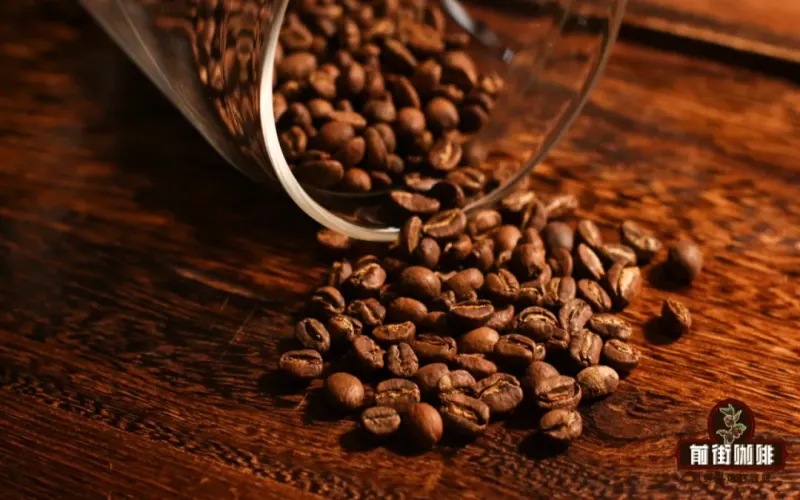
Why Are Ethiopian Coffee Beans So Uneven in Size? Analyzing Ethiopian Coffee Characteristics and Native Heirloom Varieties
As the birthplace of coffee, Ethiopia often produces coffee beans of varying sizes, a phenomenon closely tied to its unique variety system and cultivation methods. On Front Street Coffee's bean list, the Ethiopian region boasts the richest selection, and we frequently receive feedback about uneven bean sizes. This article explores the reasons behind the size differences in Ethiopian coffee beans, analyzes the overall characteristics of Ethiopian coffee, and explains what heirloom and native varieties are, helping coffee enthusiasts gain a more comprehensive understanding of this region's unique charm. [more…]
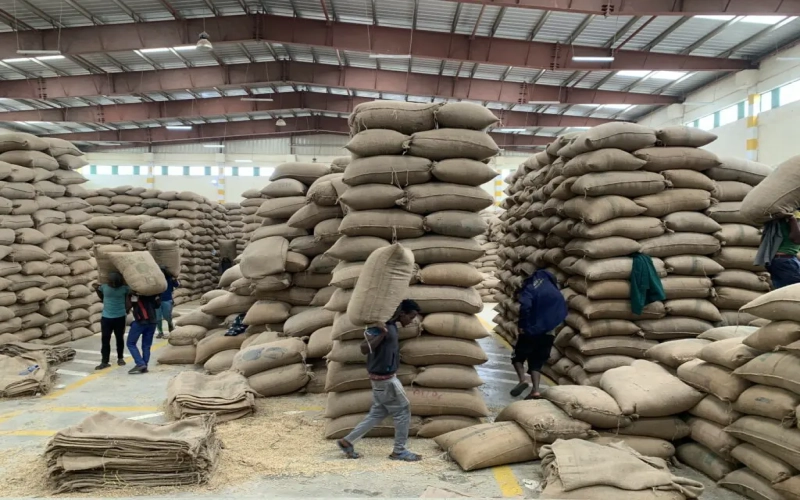
Understanding Ethiopia's Coffee Defect Grading System: What Exactly Is the Difference Between G1 and G2?
As an agricultural product, coffee beans vary significantly in quality, which is why grading systems have become an important means of standardizing quality and guiding green bean procurement. However, the grading criteria across global producing regions are not uniform—Central America mostly grades by altitude, Kenya by bean size, while Ethiopia uses defect rates to classify grades. Why does Ethiopia take this unique approach? What substantive differences actually exist between the G1 and G2 grades? This article, from the perspective of Front Street Coffee, sorts out the evolutionary logic of Ethiopia's grading system, and through a visual comparison of Yirgacheffe G1 and G2 green beans, roasting performance, and cupping evaluation, reveals one by one the true meaning behind grade labels, helping coffee enthusiasts view the issue of bean grades more rationally. [more…]
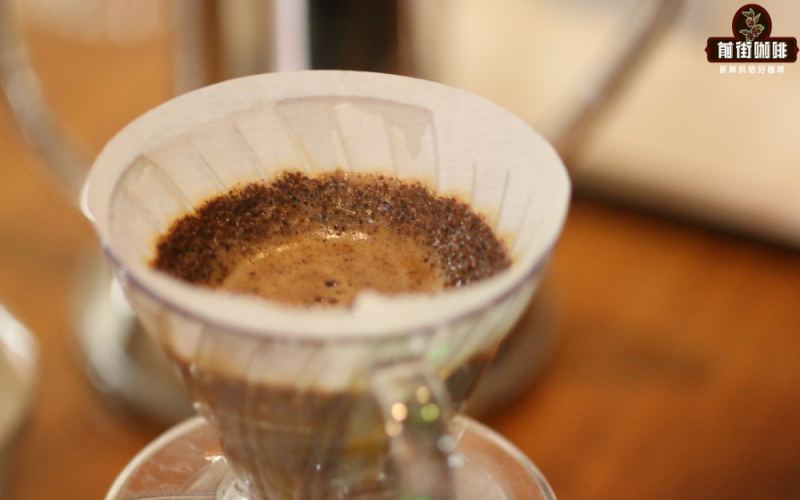
A Beginner's Guide to Freshly Ground Pour-Over Coffee: Equipment Selection, Brewing Steps, and a Practical Analysis of Indonesian Mandheling
Pour-over coffee is a brewing method in which hot water is poured over ground coffee and extraction is completed through a dripper and filter paper, with the entire process typically lasting three to four minutes. Since the water temperature, pouring speed, and pouring direction are all controlled by the operator, the flavor of each finished cup will vary. Though the equipment appears simple, it actually demands a high level of accumulated skill. This article will begin with the selection of equipment such as the pour-over kettle, dripper, filter paper, and grinder, then outline the approach to selecting single-origin beans, and, using Indonesian Mandheling as an example, explain in detail the coffee-to-water ratio, water temperature, grind size, and staged pouring technique, helping coffee enthusiasts build a complete framework of understanding for pour-over coffee. [more…]
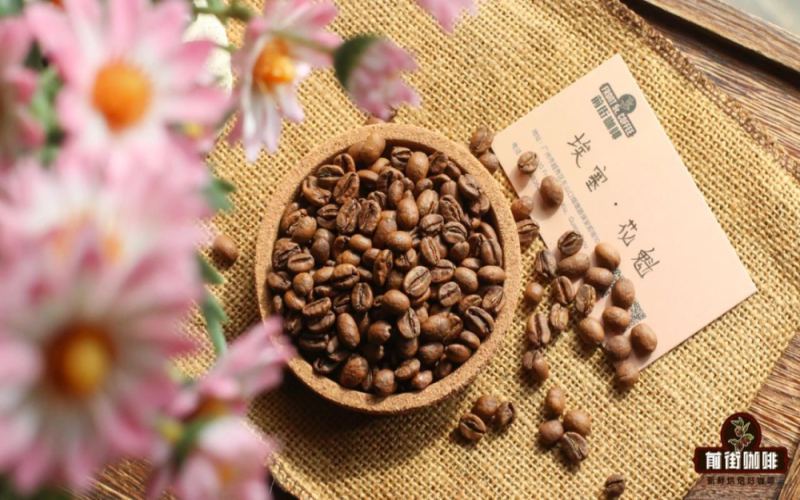
An Analysis of the Differences Between Natural and Washed Processing Methods for Ethiopia Sidamo Huakui, with Pour-Over Coffee Parameters and Flavor Comparison
The Sidamo region of Ethiopia, with its diverse soils and climate conditions, nurtures coffees of widely varying flavors. Among them, Front Street Coffee's Huakui has become popular for its rich floral aroma, fruity sweetness and tartness, and black tea finish, with almost no bitterness, making it suitable for pour-over, cold brew, French press and many other brewing methods. This article focuses on two processing methods, natural and washed: natural beans are naturally mellow, with gentle aroma and rich mucilage; washed beans have bright acidity, lifted aromatics and a crisp mouthfeel. The article also provides two sets of recommended pour-over parameters and corresponding flavor descriptions, helping coffee lovers more intuitively understand the differences in the cup performance of the same region and the same variety under different processing methods. [more…]
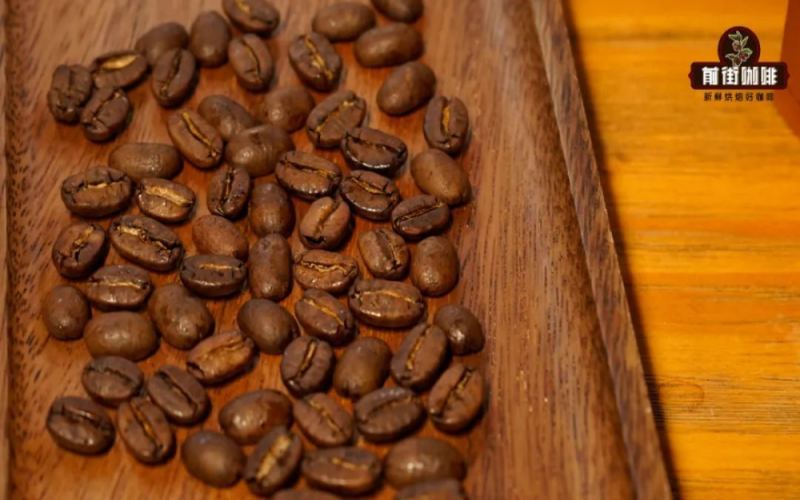
Estimating coffee beans without a scale: how many beans make 15 grams for different varieties?
In the daily routine of pour-over coffee, a digital scale is certainly important, but there are occasional times when no scale is at hand, and at such moments, how to roughly judge the amount of 15 grams of coffee beans becomes a practical question. Front Street Coffee shares a rather unique approach—counting the beans directly. Coffee beans from different origins and varieties differ noticeably in size, and the number of beans for the same weight also varies. This article selects five representative coffees—Yirgacheffe, Blue Mountain No. 1, Brazil Yellow Bourbon, Panama Emerald Green Label Geisha, and Golden Mandheling—weighing three sets of 15-gram samples of each and counting them, to arrive at a fairly reliable range for the number of beans, for everyone to refer to when no scale is available. [more…]

The Origins and Evolution of Latte: A Complete Journey from European Milk Coffee Traditions to a Global Café Staple
Latte is practically a staple in every coffee shop, yet even for the same "latte," the cup size and flavor can vary wildly from store to store. This article traces the historical origins of latte: from the 17th-century European habit of mixing coffee with milk, to the first appearance of the term "Caffe e latte" in an American writer's travelogue in 1867; from the invention of the espresso machine and steam wand, to Italian immigrants in California in the 1950s and 1960s renaming the milkier cappuccino as latte. The article also explores latte's development in the Chinese market, and how Front Street Coffee adjusts its espresso recipes and serving cup sizes based on the characteristics of the coffee beans, helping you fully understand the past and present of this classic milk coffee. [more…]
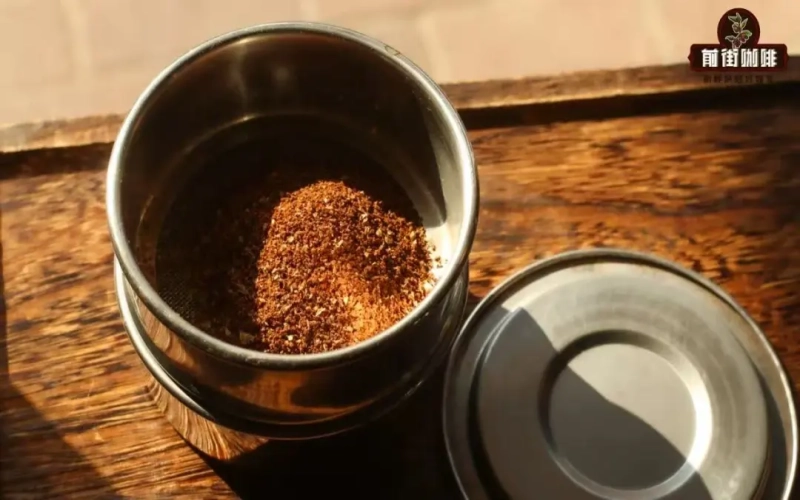
How Do Coffee Bean Density and Brittleness Affect Grind Size? A Guide to Choosing Grind Settings for Pour-Over Coffee
Many pour-over enthusiasts have discovered when testing ground coffee with a sieve that the same grind setting produces different passing rates for different bean varieties. Front Street Coffee recently received similar questions: why does particle size vary under the same grind setting? The core reason lies in the differences in bean density and brittleness—high-altitude, light-roasted beans tend to be harder and denser, producing fewer fines during grinding; low-altitude, dark-roasted beans are more brittle and prone to crumbling into fines. Only after understanding this principle can one adjust the grind size for different beans. This article combines medium-light roasted beans such as Front Street Yirgacheffe Gotiti, Front Street Ethiopia Hachira, and Front Street Granja Geisha, as well as medium-dark roasted beans such as Front Street PWN Golden Mandheling, Front Street Brazil Queen's Estate Yellow Bourbon, and Front Street Jamaica Blue Mountain No. 1, to provide specific EK43 settings and No. 20 sieve passing rate recommendations, helping coffee enthusiasts achieve consistent results. [more…]
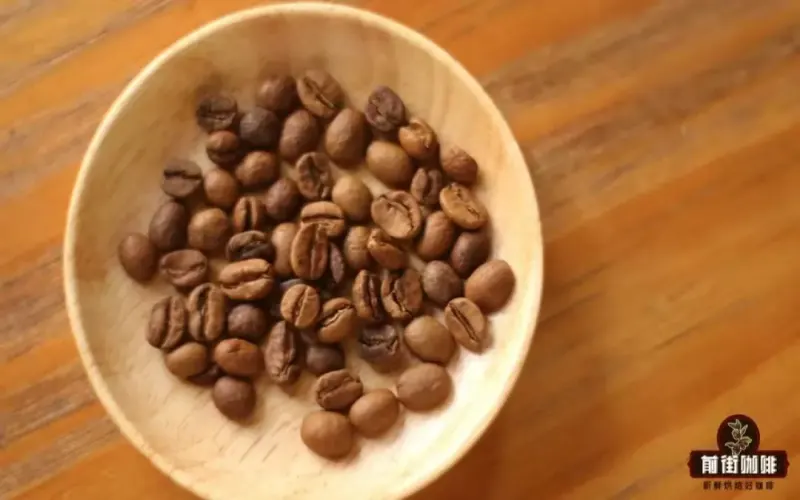
Where does the color variation in coffee beans come from? Why do honey processing and anaerobic processing cause uneven shades on the bean surface?
Coffee enthusiasts often notice that the coffee beans they buy vary in color from light to dark, and suspect a roasting problem. In fact, in most cases the color variation is not a roasting accident—it may actually mean the beans can brew into a richer, more layered cup. As an agricultural product, coffee beans can never be as uniform as an industrial product. This article starts from the common questions received by Front Street Coffee's customer service to explain how factors such as the uneven size of Ethiopian beans, residual pectin sugars in honey processing, and anaerobic processing cause color variation in coffee beans—and why this variation is sometimes a plus for flavor. [more…]

A Comprehensive Analysis of the Flavor Differences and Grade Classification of Yirgacheffe Kochere G1 and G2 Coffee Beans
Yirgacheffe Kochere is one of Ethiopia's most renowned micro-regions, and the coffee beans it produces are famous for their lively citrus acidity, silky sweetness, and rich floral and fruity notes. This article provides an in-depth analysis of the terroir characteristics of the Kochere region, the washed processing method, and Ethiopia's unique coffee grading system—especially the specific differences between G1 and G2 grades in flavor and quality. At the same time, Front Street Coffee will share the roasting curve, cupping report, and pour-over brewing insights for this bean, helping coffee lovers fully understand the charm of Kochere coffee. [more…]
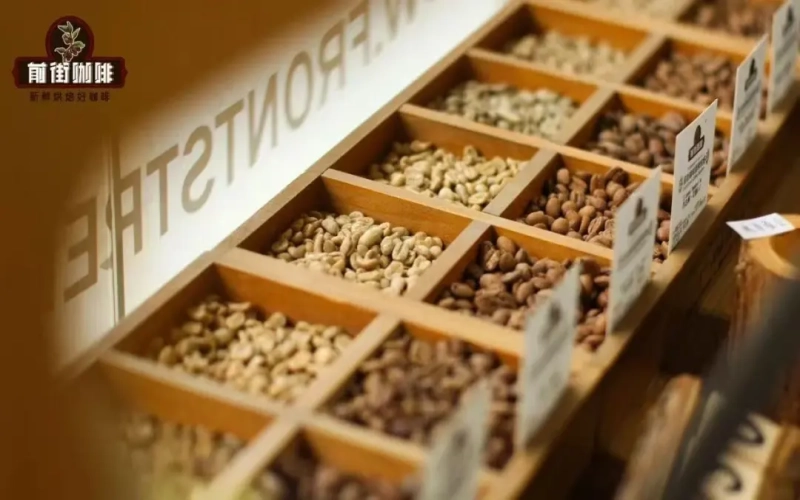
What Is Coffee PB Grade? Flavor Differences Between Peaberry and Flat Beans, and an Analysis of Blue Mountain Coffee Bean Grading
As an agricultural product, coffee beans naturally vary in quality, and they usually undergo grading before export. In systems that grade by size, there is often a special PB grade, namely Peaberry. Its output is scarce, accounting for only 5% to 10% of the total, yet its price can often rival that of the highest grade. This article, from the perspective of Front Street, explains the definition of the PB grade and the reasons for the formation of peaberries, and through cupping compares the flavor differences between peaberries and flat beans. It also explains why producing regions sell peaberries separately, as well as the PB phenomenon in grading systems such as Blue Mountain coffee beans, helping coffee enthusiasts understand the true relationship between coffee bean size and quality. [more…]
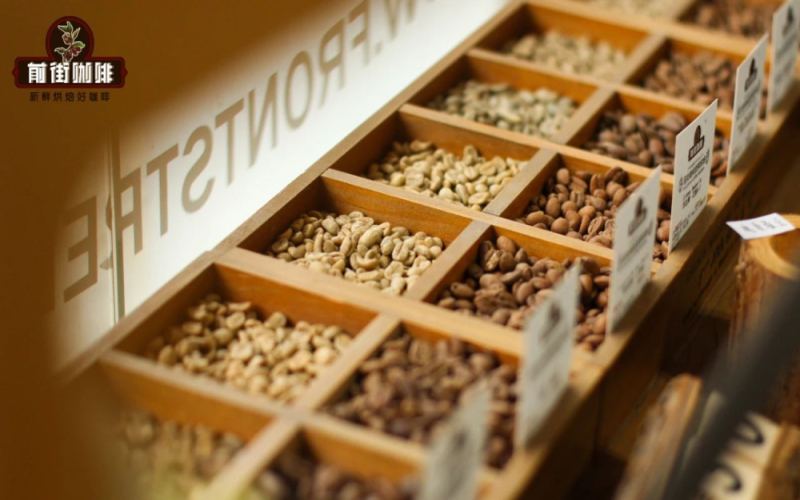
A Comprehensive Analysis of the Green Coffee Bean Grading System: The Three Major Standards of Screen Size, Altitude, and Defect Rate, and the Characteristics of Kenyan Grading
As an agricultural product, coffee beans vary significantly in quality, so a grading system is needed to standardize quality and provide reference for buyers. However, the geographical environments and cultivation models of global producing regions differ enormously, making it impossible to measure them with a unified standard; each region can only adapt to local conditions. Currently, mainstream grading methods fall into three major categories: screen size, altitude/hardness, and defect rate, and many countries combine them or even add cupping to compensate for shortcomings. This article will systematically sort out the logic and representative producing countries of these three grading methods, with a focus on analyzing how Kenya grades solely by bean size, and introduce the grading practices of Colombia, Ethiopia, Jamaica, Indonesia, Brazil, and other countries. Front Street Coffee will also share related brand product information to help coffee enthusiasts understand the meaning behind green bean grades. [more…]
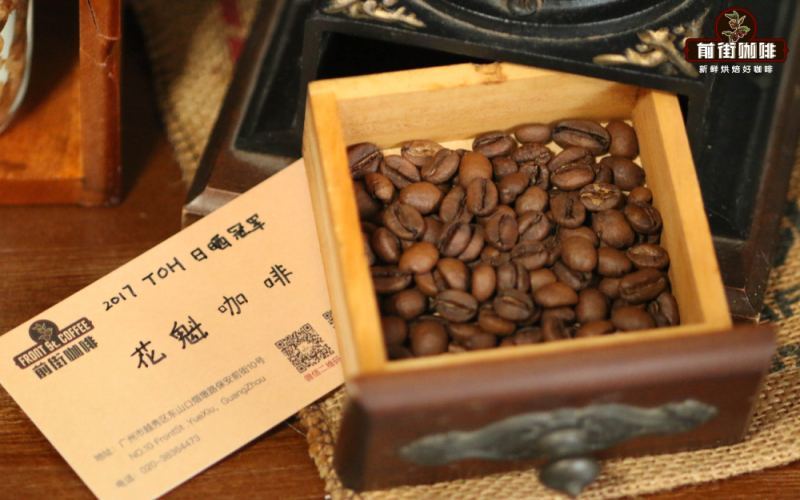
From TOH Champion to Huakui 6.0: A Complete Analysis of Ethiopian Sidamo Hambela Natural Coffee
Huakui, a name well-known in specialty coffee circles, originates from a sun-dried lot from Hambela in Ethiopia's Guji region. In 2017, it made a stunning debut as the TOH champion, and has since been iterated year by year, progressing from Huakui 2.0 all the way to today's 6.0. This article will walk you through Huakui's complete origin background, award history, processing methods, green bean characteristics, roasting curves, and brewing parameters, while preserving Front Street Coffee's experience shared from actual cupping and service. Whether you are a beginner just getting to know African beans or a seasoned enthusiast passionate about sun-dried flavors, you will gain a systematic understanding and practical reference about this bean. [more…]
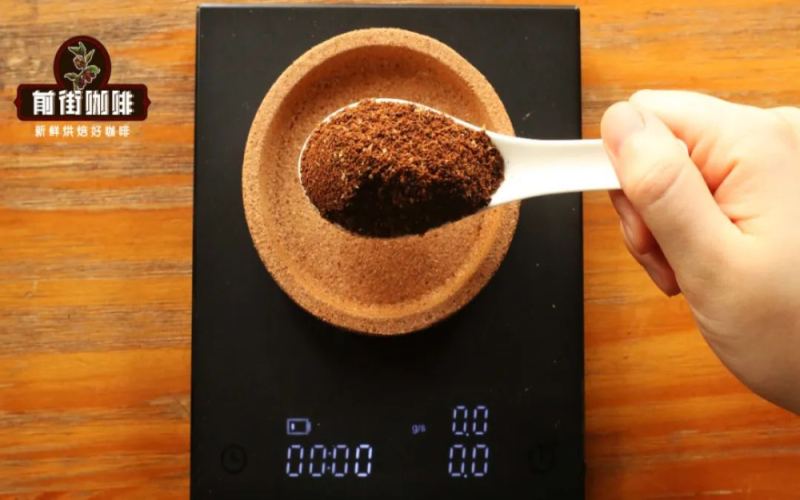
How Many Grams Is a Scoop of Ground Coffee? And How Many Scoops Are in 15 Grams of Coffee Beans? A Practical Conversion Guide
Many friends who are just getting into pour-over coffee, in order to save money, often skip tools like electronic scales and thermometers, and instead use spoons they already have at home to estimate their coffee dose. But spoons vary in size and depth, and the roast level of the coffee beans also affects density, so there is no uniform answer to how many grams a single spoon holds. This time, Front Street Coffee specifically gathered four common types of spoons—a porcelain soup spoon, a small stainless steel spoon, a cupping spoon, and a promotional bean scoop—and separately weighed light roast, medium-light roast, medium-dark roast, and dark roast coffee beans before and after grinding, compiling a complete set of data, and teaching you how to convert, based on roast level, the number of scoops needed for close to 15 grams of coffee, so that even without an electronic scale you can still roughly control your coffee dose. [more…]

Ethiopian G1 vs G2 Single-Origin Beans: Grading Criteria, Flavor Comparison, and Front Street Brewing Tests
Ethiopia's coffee grading system is unique, using defect rate as its core criterion, which stands in sharp contrast to the practices of most producing regions that grade by altitude or bean size. As the two most common grades, G1 and G2—just how big is the gap between them in terms of green bean appearance, roasting performance, and cup flavor? From the perspective of Front Street, this article traces the origins of the Ethiopian grading system, and through a comparative test of Yirgacheffe G1 and G2, examines everything from green bean condition and roast color values to brewing and tasting, helping coffee enthusiasts understand the practical meaning of grade labels and what role they actually play in the consumption of roasted beans. [more…]

Starbucks Double Shot Caffeine Content Fully Explained: How Much Caffeine Is Actually in One Double Shot?
When ordering at Starbucks, have you ever noticed the term "Double shot"? How much caffeine does a double espresso actually contain, and how much do different products vary? This article will start with the origin of the word "Shot," trace the evolution of espresso measurement from volume-based to weight-based, and explain why the size of a single shot can vary so dramatically from one coffee shop to another today. At the same time, we will also draw on Front Street Coffee's extraction practices to provide specific parameters for dose, liquid weight, and time, helping you understand the true nature of a double espresso more clearly. Whether you drink Starbucks regularly or pull your own shots at home, you will find practical references here. [more…]

Why do iced coffees vary in cup volume when ordered without ice? Looking at the logic of topping up after removing ice in Americanos, Lattes, and Cappuccinos
When ordering an iced espresso drink without ice at a coffee shop, some people receive a full cup, while others get only a seven-tenths-full cup, or even half a cup. This difference in volume is not accidental, but is closely related to the store's business philosophy, recipe ratios, ice quality, and the concentration of the coffee beans and milk. Starting from the production practices at Front Street Coffee, this article analyzes why iced coffee drinks such as Americanos, lattes, and cappuccinos end up with different cup volumes after the ice is removed, and how adding water or milk after removing the ice affects the coffee's concentration, taste, and mouthfeel, helping coffee enthusiasts understand the logic of trade-offs behind a cup of ice-free coffee. [more…]